

A tummy tuck is a significant surgical procedure, and your recovery starts the moment you leave the operating room. What you eat in the following weeks is one of the most powerful tools you have to ensure a smooth, fast recovery and protect your surgical investment.
This isn't about a restrictive diet; it's about strategically fueling your body to heal.
Your Nutritional Blueprint For A Smooth Tummy Tuck Recovery
After your abdominoplasty, your body has a big job to do: heal. The right nutrition directly impacts everything from wound healing and swelling to your energy levels and overall comfort. Think of your diet as an active part of your recovery plan.
In fact, leading plastic surgeons agree that optimized post-operative nutrition can be a game-changer. Global data suggests a strong correlation with 20-30% faster tissue regeneration in patients who prioritize their diet.
The Pillars of Post-Surgical Nutrition
Your body's nutritional needs skyrocket after surgery. Providing the right building blocks is essential to combat swelling, minimize bruising, and fend off common post-op issues like constipation.
Your diet after a tummy tuck should be built on three core pillars:
- Protein: Absolutely essential for rebuilding and repairing the muscle and skin tissues that were manipulated during your surgery.
- Vitamins and Minerals: These are crucial for a strong immune defense, proper collagen production for healing incisions, and reducing inflammation.
- Hydration: The unsung hero of recovery. Staying hydrated helps flush out anesthesia, minimize swelling, and is your best defense against constipation from pain medication.
This timeline shows how your dietary focus will shift to support your body's changing needs for healing, swelling reduction, and energy throughout recovery.
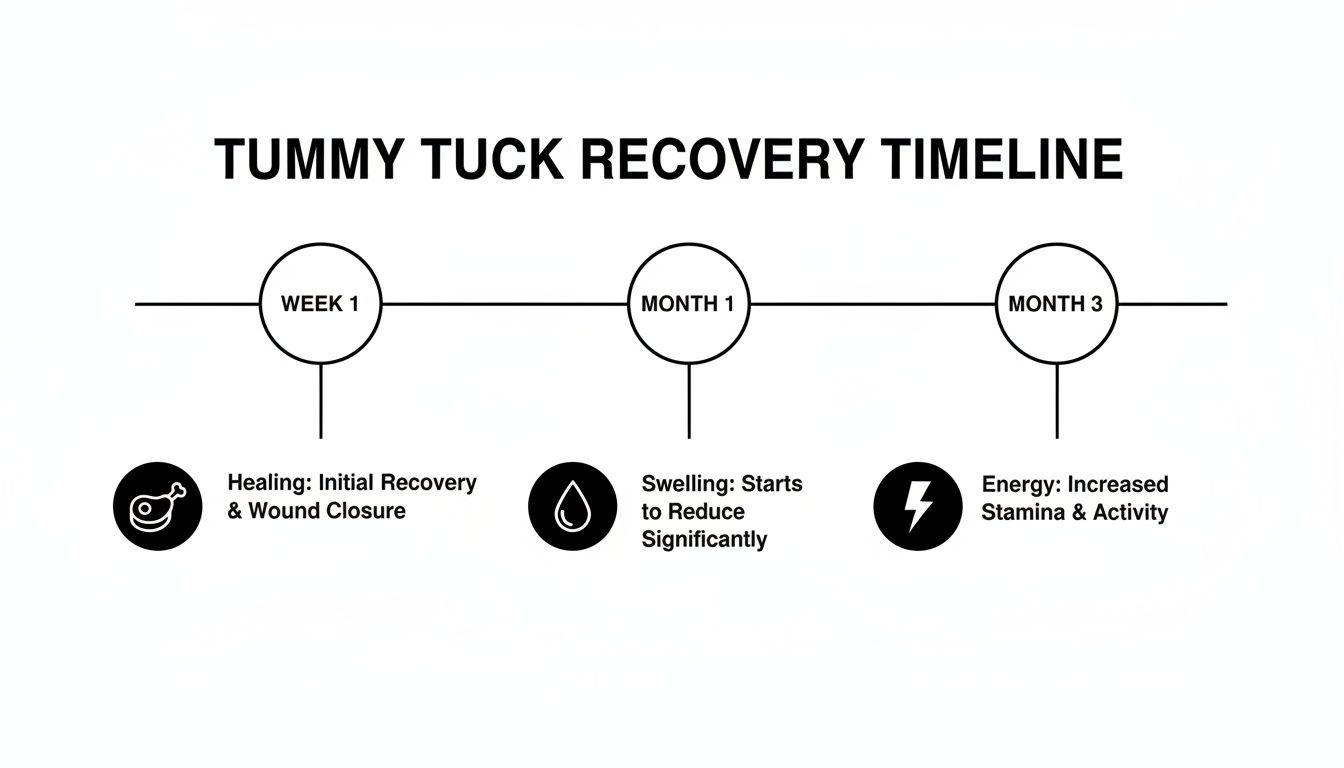
As you can see, the immediate focus is on gentle hydration and easily digestible foods. However, the need for high-quality protein to support tissue repair remains a constant priority all the way through your journey.
A common mistake patients make is underestimating how much energy the body uses to heal. It's like running a marathon while lying still. Supplying your body with high-quality fuel is non-negotiable for a strong recovery.
Below is a quick overview of how your nutritional priorities will evolve during your recovery.
Tummy Tuck Recovery Diet At a Glance
This table provides a phased overview of dietary priorities, from immediate post-op hydration to long-term maintenance, to guide your nutritional choices throughout your recovery.
| Recovery Phase | Key Goals | Recommended Foods |
|---|---|---|
| Immediate Post-Op (Days 1-3) | Hydration, gentle nutrition, managing nausea | Clear liquids, broth, gelatin, crackers, applesauce |
| Early Recovery (Week 1-2) | Protein for healing, fiber for constipation | Lean protein (chicken, fish), eggs, yogurt, soft fruits, cooked vegetables |
| Active Healing (Week 3-6) | Anti-inflammatory foods, sustained energy | Berries, leafy greens, salmon, nuts, whole grains |
| Long-Term Maintenance (6+ Weeks) | Maintaining results, healthy lifestyle | Balanced diet of whole foods, lean protein, complex carbs |
This phased approach ensures you're giving your body exactly what it needs, right when it needs it, without overwhelming your system.
Why Your Body Demands More
Surgery is a form of controlled trauma, and your body launches an impressive, energy-intensive response to repair itself. This process requires far more resources than your body typically needs day-to-day.
First, your metabolic rate increases significantly as your body works overtime to heal incisions and internal tissues. This heightened state demands more calories, specifically from nutrient-dense sources—not from sugary or processed foods.
Second, the natural inflammatory response, while a normal part of healing, is what causes swelling. A targeted anti-inflammatory diet can help manage this process, reducing discomfort and promoting the faster resolution of fluid buildup.
Finally, anesthesia and prescribed pain medications notoriously slow down the digestive tract. This makes constipation a frequent and very uncomfortable side effect for many patients. A diet rich in fiber and fluids is your first and best line of defense.
To learn more about the procedure itself, check out our guide on everything you need to know about tummy tucks before surgery. Building this nutritional foundation sets you up not just for a better recovery, but for maintaining your incredible new contours for years to come.
Navigating The First 48 Hours With Gentle Nutrition
The first 48 hours after your abdominoplasty aren't about following a strict "diet." Honestly, it’s more about resting, rehydrating, and being incredibly gentle with your body. Your system is working overtime to recover from anesthesia, which often leaves the digestive tract sluggish, sensitive, and sometimes nauseated.
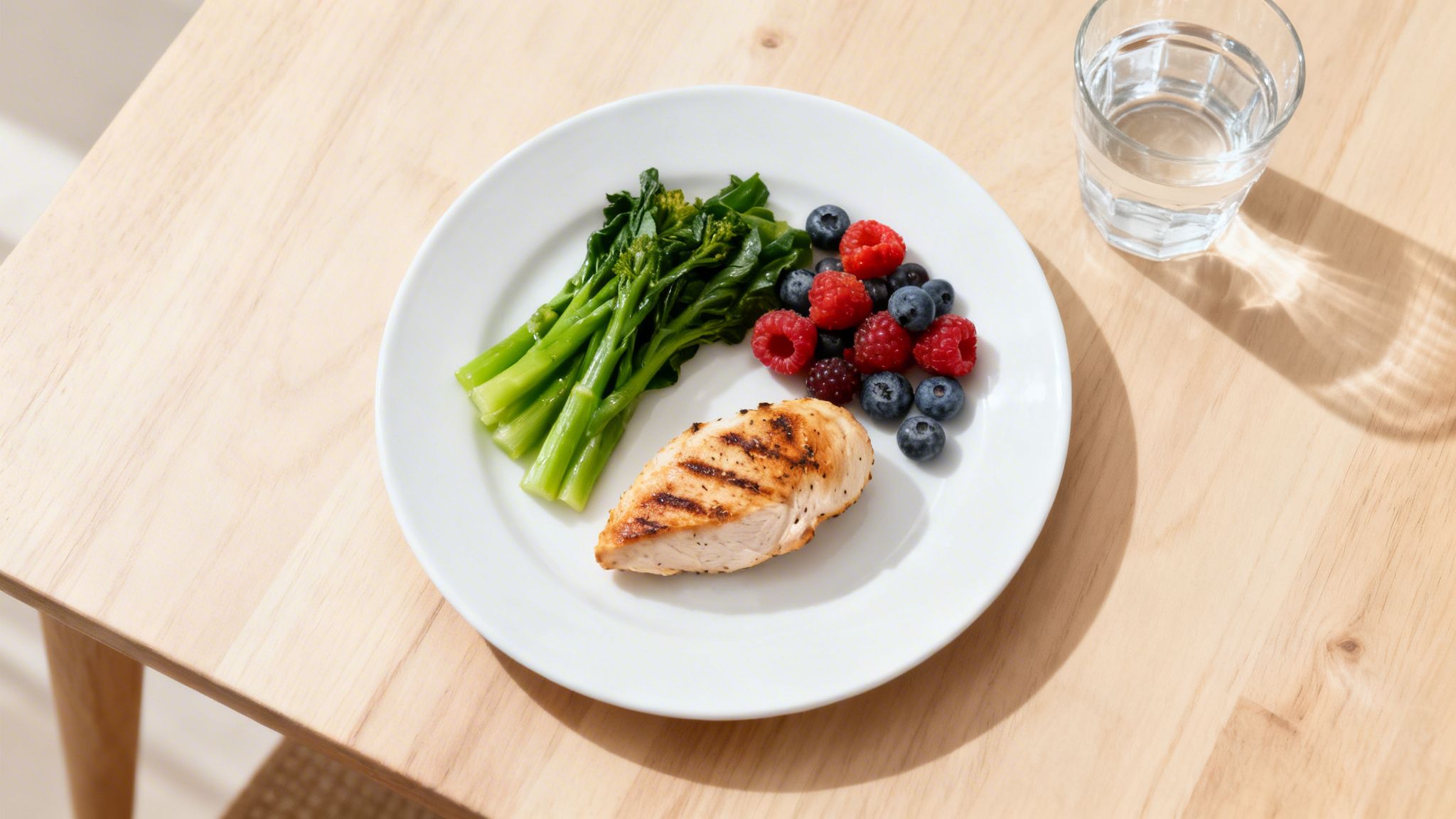
One of the most common missteps I see is trying to eat heavy, solid, or greasy foods too quickly. This can easily trigger cramping and vomiting—the absolute last things you want while your core is healing. The only goal here is to give your body hydration and a trickle of energy without making your gut work for it.
Focusing on Fluids and Flushing Your System
Your first and most important job is hydration. Water is non-negotiable. It helps flush the last of the anesthesia out of your system, brings down swelling, and starts the critical fight against constipation from pain medication.
Start by taking small, frequent sips of clear liquids. Don't gulp down a huge glass of water all at once, as that can easily overwhelm a sensitive stomach.
For these first couple of days, stick to the basics:
- Water: This is your most important tool. Keep a water bottle with a straw right by your side so you don't have to sit up to drink.
- Clear Broths: Simple chicken or vegetable broth gives you hydration, electrolytes, and a bit of sodium, which is helpful after surgery.
- Diluted Juices: Unsweetened apple or cranberry juice cut with water is a decent choice. Just stay away from sugary or acidic options like orange juice.
- Unsweetened Herbal Teas: Ginger or peppermint tea can be very calming for the stomach and help with any mild nausea.
My best advice for the first 24 hours is to simply listen to your body. If you feel nauseous, stick to water. If you feel a little hungry, try a few spoonfuls of broth. Don't force anything.
Once you’re keeping clear liquids down without any trouble, you can start thinking about introducing something a bit more substantial, but still very gentle. This transition is a key step in your diet after a tummy tuck.
Gently Introducing Soft Foods
Now, think bland, soft, and simple. Your goal is to get a little more energy into your system without asking your digestive tract to do any heavy lifting. The key is to try a few bites, wait a bit, and see how you feel before eating more.
A great way to think about it is to choose foods you would give someone recovering from a stomach flu.
Once you feel ready on day one or two, these are excellent "first foods" to try:
- Plain Greek Yogurt: Provides a bit of protein along with gut-friendly probiotics.
- Unsweetened Applesauce: It's easy to get down and very gentle on the stomach.
- Plain Crackers: Simple saltines can do wonders for a queasy stomach.
- Gelatin: This is basically just flavored hydration and is incredibly easy to digest.
- A Simple Vegetable Soup: Think well-cooked carrots and potatoes in a clear broth, blended until smooth.
I always tell my patients to stock up on these items before their surgery. That way, everything you need is right there when you get home. For a deeper look at what to expect during recovery, our comprehensive tummy tuck recovery guide covers much more than just diet.
Remember, this super-gentle phase is temporary. You're just setting the stage for a smooth recovery and preparing your body for the next phase, where we’ll focus on the protein and nutrients needed for serious healing. Rushing this will only set you back.
Powering Your Recovery With Protein And Anti-Inflammatory Foods
After the first 48 hours of gentle, clear liquids, it’s time to shift your diet’s focus. Now, we’re moving on to actively supplying your body with the building blocks it needs to repair tissue, manage swelling, and speed up your healing. This is where high-quality protein and vibrant, nutrient-dense foods become your best friends.
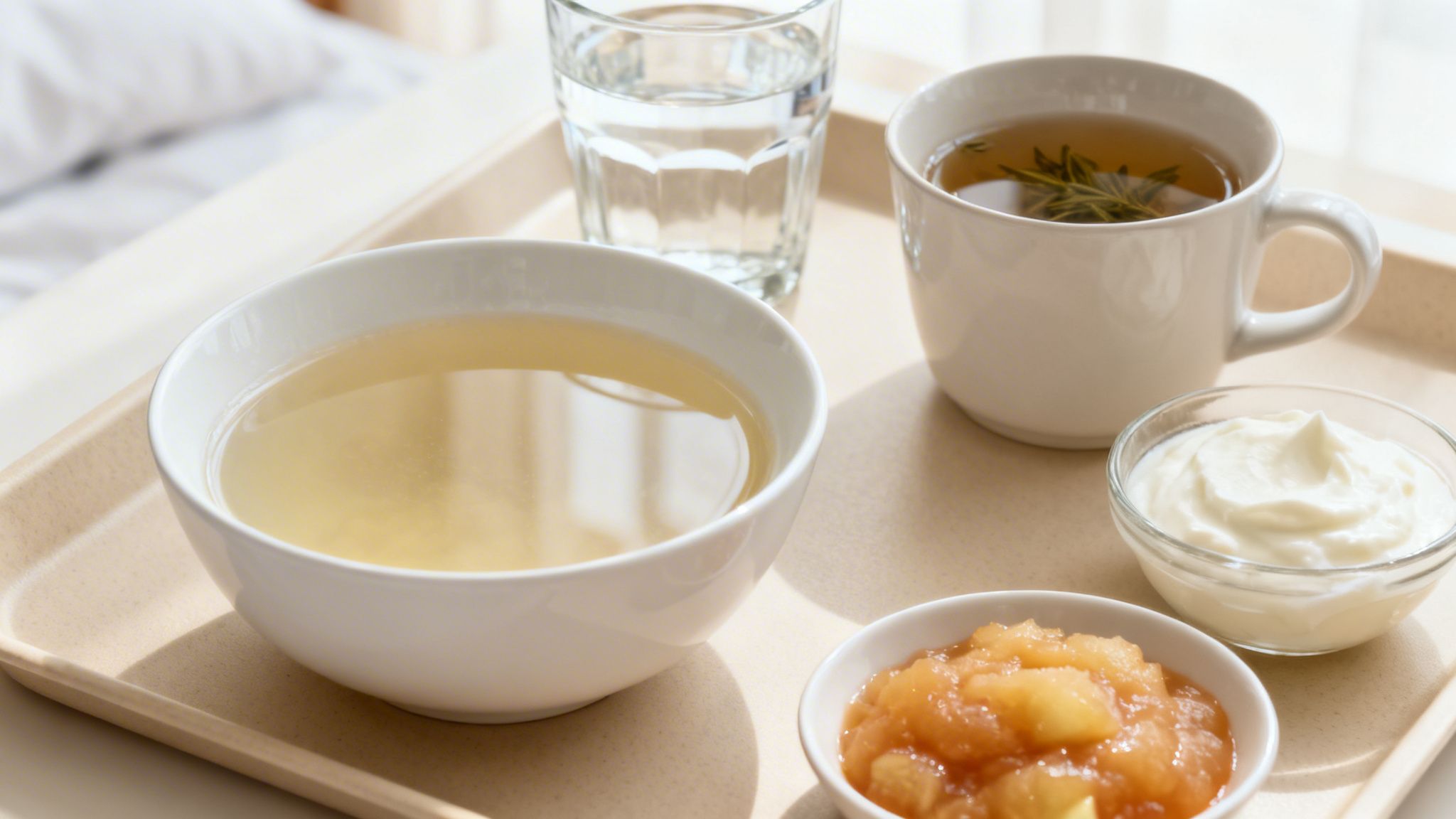
I often tell my patients to think of their body as a construction zone after surgery. A tummy tuck is a major renovation, and protein is the literal brick and mortar your body uses to knit incisions together and mend the underlying muscle. Skimping on protein is one of the biggest recovery mistakes I see people make; it can slow everything down dramatically.
Prioritizing High-Quality Protein Sources
Your main nutritional goal now is to get a solid source of lean, high-quality protein into every meal and most of your snacks. This ensures a steady stream of amino acids—the compounds your body is crying out for to rebuild skin and muscle tissue.
Some of the best sources I recommend to patients are:
- Lean Meats: Skinless chicken breast and turkey are always great choices.
- Fish: Salmon is a top-tier option. It delivers protein and anti-inflammatory omega-3 fats.
- Eggs: A nutritional powerhouse that’s typically easy on the stomach.
- Legumes: Lentils, chickpeas, and beans offer a fantastic mix of plant-based protein and fiber.
- Tofu: A very versatile plant protein that soaks up flavor.
- Greek Yogurt: This gives you a one-two punch of protein and gut-friendly probiotics.
Patients often ask, "How much protein do I really need?" While it varies from person to person, the general rule is to aim higher than your normal daily intake. Giving your body this constant fuel is absolutely essential for clean incision healing and regaining muscle strength.
Don't underestimate the power of preparation. Before your surgery, think about cooking and freezing portioned meals like lentil soup or grilled chicken breasts. This makes getting enough protein effortless when your energy is low post-op.
For some, planning meals can feel overwhelming during recovery. A pre-designed high-protein meal plan can be a huge help, taking the guesswork out of your daily nutrition so you can focus on resting.
Combating Swelling With Anti-Inflammatory Foods
Swelling is a totally normal part of the healing process, but it’s certainly uncomfortable. While your compression garment does the heavy lifting on the outside, what you eat can work from the inside out to help manage that inflammation. This is where antioxidant-rich foods really shine.
These foods help fight the oxidative stress caused by the trauma of surgery, supporting your immune system and calming down the body’s inflammatory response. My best advice? Eat the rainbow. The more vibrant the colors on your plate, the better.
Here are some anti-inflammatory champions to add to your grocery list:
- Berries: Blueberries, strawberries, and raspberries are loaded with antioxidants.
- Leafy Greens: Spinach, kale, and other dark greens are vitamin powerhouses.
- Bell Peppers: The red and orange ones are especially high in vitamin C.
- Healthy Fats: Avocado, almonds, walnuts, and olive oil are all fantastic choices.
- Cruciferous Vegetables: Broccoli and cauliflower help support your body’s natural detoxification processes.
Vitamins A and C are particularly crucial right now. Vitamin C is a key component for synthesizing collagen—the very protein that forms the scar tissue to heal your incisions. Vitamin A, on the other hand, is a huge supporter of immune function, helping your body defend against potential infections.
A Sample Anti-Inflammatory Meal Idea
So, what does this look like on a plate? Imagine a simple but incredibly effective recovery meal.
Start with a piece of grilled salmon (protein and healthy fats). Serve it with a scoop of quinoa (more protein and fiber) and a generous side of steamed broccoli drizzled with olive oil. For dessert, a handful of fresh berries.
This one meal delivers an incredible combination of lean protein, healthy fats, fiber, and multiple anti-inflammatory compounds. It’s the perfect example of how your post-tummy tuck diet can be both delicious and highly functional, actively supporting your journey back to feeling like yourself again.
How to Manage Post-Op Bloating and Constipation
Let's talk about one of the most common, and frankly, most uncomfortable parts of tummy tuck recovery: bloating and constipation. After surgery, the combination of anesthesia, prescription pain medication, and your own limited mobility can bring your digestive system to a screeching halt. It’s a frustrating but very normal part of the process, and your diet is your number one tool for getting things back on track.
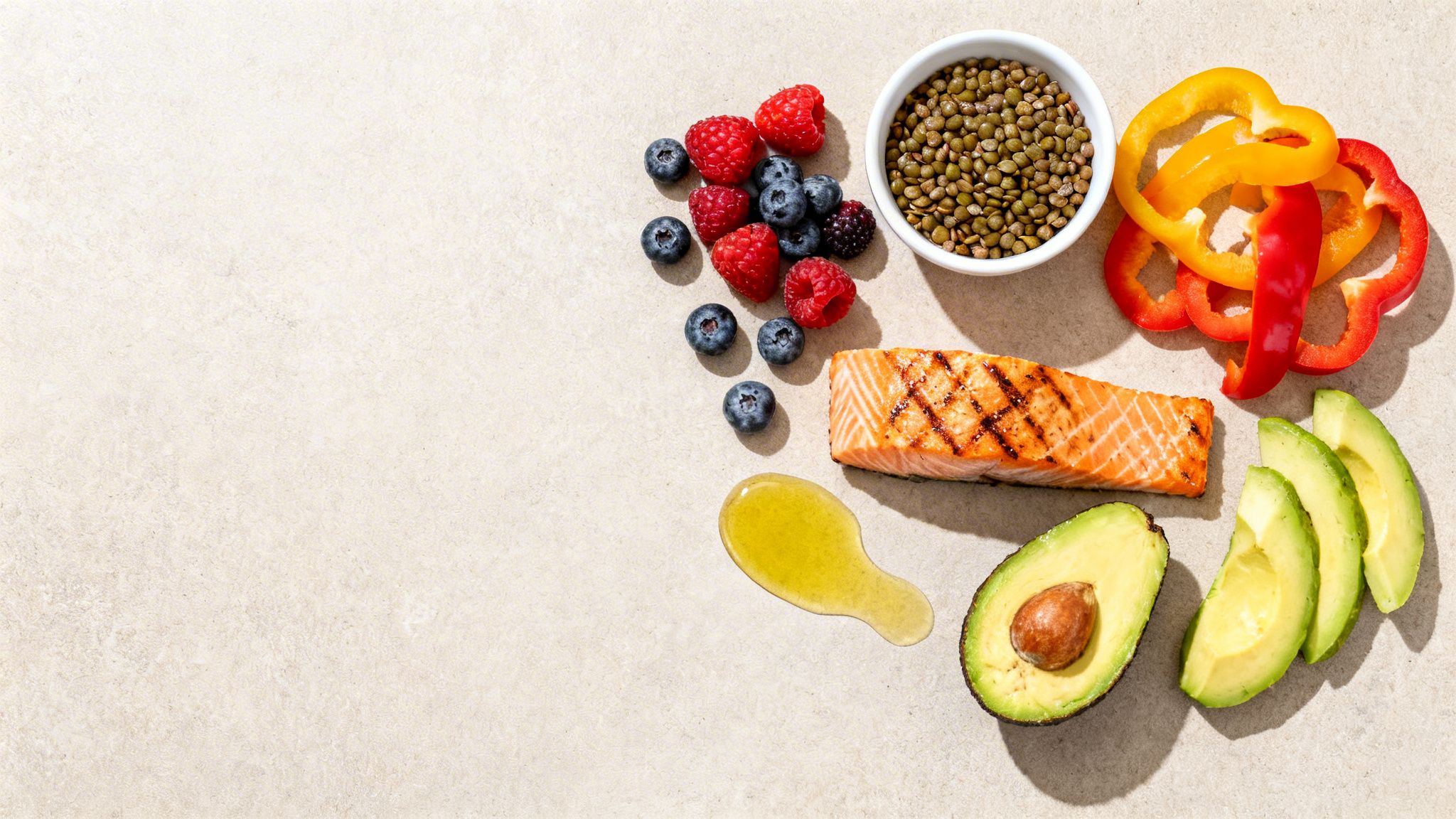
Successfully managing this issue really comes down to three things: fiber, fluids, and gentle movement (once I or your surgeon clears you for it). It's also helpful to understand the common bloating after eating causes so you can identify and avoid personal triggers.
The Two Types of Fiber You Need
Not all fiber is the same, and for post-operative recovery, you need a team approach. Your body needs both types to work together for your digestive system to function smoothly.
- Soluble Fiber: This is the kind that dissolves in water and creates a gel-like consistency. It's fantastic for softening stool, which makes it much easier and more comfortable to pass. You’ll find it in foods like oatmeal, pears, apples, carrots, and beans.
- Insoluble Fiber: This type doesn't dissolve. Instead, it adds bulk to your stool, which helps physically move everything through your digestive tract more efficiently. Think whole grains, nuts, and vegetables like cauliflower and green beans.
I tell patients to think of it this way: soluble fiber makes things slick, and insoluble fiber helps push. A balanced diet after your abdominoplasty needs both to keep constipation at bay.
The key here is to be gentle. This is not the time to suddenly shock your system with a massive bowl of bran cereal. Start slow. Gently reintroduce easily digestible, fiber-rich foods like steamed vegetables or a small portion of oatmeal.
As you start feeling better, you can gradually increase your intake to establish a regular, comfortable rhythm for your digestive system.
Hydration: The Key to Making Fiber Work
Here’s a critical point that many patients miss: fiber without enough water will make constipation worse. It’s true. Without adequate fluid, all that helpful fiber can turn into something more like cement in your gut, leading to even more bloating and discomfort.
This is why staying exceptionally well-hydrated is non-negotiable. The soluble fiber you’re eating needs to absorb water to do its job. Your goal should be to sip water consistently all day long, aiming for at least 8-10 glasses.
Herbal teas, like peppermint or ginger, are also great options. They count toward your fluid intake and can have a soothing effect on your digestive system. My best practical tip? Keep a large water bottle with a straw right next to you at all times. It makes a huge difference.
Foods and Habits to Temporarily Avoid
Just as important as what you add to your diet is what you take out. Certain foods are notorious for causing gas, bloating, and slowing digestion—the last things you want to deal with while you’re trying to heal.
For the first few weeks after your surgery, I advise patients to significantly limit or completely avoid:
- Processed Foods: Anything high in sodium, sugar, and unhealthy fats can increase inflammation and bloating. This means putting aside the chips, cookies, and most pre-packaged meals for now.
- Binding Foods: Some foods are naturally "binding" and can make constipation worse. The main offenders here are white bread, white rice, and bananas that are still a bit green.
- Excessive Dairy: While a little Greek yogurt is excellent for probiotics, large quantities of milk and cheese can be difficult for some people to digest, causing gas and bloating.
- Carbonated Drinks: That fizz from soda and sparkling water? It's just introducing excess gas directly into your digestive system, leading to uncomfortable pressure and bloating.
By focusing your diet on whole, unprocessed foods and steering clear of these common culprits, you can help keep your digestive system calm and support a much more comfortable recovery.
Maintaining Your Tummy Tuck Results for Life
A tummy tuck delivers incredible, confidence-boosting contours. But the surgery itself is really just the starting line. Making those results last for years to come requires a smart, sustainable approach to your lifestyle.
The good news? The procedure itself often acts as a powerful motivator. Many patients find that their entire relationship with food changes after abdominoplasty. This isn't just a mental shift; there's a physical component, too. The tightening of the abdominal wall can sometimes help you feel fuller with smaller portions, creating a natural opportunity to build new, healthier habits.
Shifting from Recovery to Maintenance
During your initial recovery, the focus is squarely on protein for healing and fiber to keep things moving. As you heal, this focus naturally transitions into a more balanced, long-term plan. The goal is no longer just about healing tissue, but about preventing the return of visceral fat—the deep fat stored around your organs that can spoil your new, flat profile.
This is all about embracing whole foods as the foundation of your diet. Your plate should be a colorful mix of:
- Lean Proteins: Continue to include chicken, fish, tofu, and legumes. These maintain muscle mass and help you feel satisfied after a meal.
- Complex Carbohydrates: Foods like quinoa, brown rice, and sweet potatoes provide steady energy without the blood sugar spikes that lead to cravings.
- Healthy Fats: Avocado, nuts, seeds, and olive oil are essential for hormone balance and overall wellness.
- Abundant Vegetables: Aim to fill half your plate with non-starchy vegetables at every meal for a powerhouse of fiber, vitamins, and minerals.
This isn't about harsh restriction. It's about nourishing your body and making conscious choices that protect your surgical investment.
A common question I hear is, "Will the fat come back?" Your tummy tuck permanently removes excess skin and tightens the underlying muscles. However, the remaining fat cells in your abdomen and elsewhere can still expand if you take in more calories than you burn. A consistent, healthy diet is your best defense against this.
In fact, the surgery can kickstart significant long-term weight management. A study in Plastic and Reconstructive Surgery found that many patients continued to lose weight after abdominoplasty, with an average loss of nearly ten pounds at the five-year mark. This was especially true for those who adopted smart diet choices, as the procedure may enhance satiety, making you feel fuller for longer. You can read the study highlights on the official plastic surgery society website.
Practical Tips for Lifelong Success
Maintaining your results doesn’t have to feel complicated. It's about building small, consistent habits that become second nature. Here are some of the most effective strategies I share with my patients.
Practice Portion Control: Using smaller plates can be a surprisingly effective way to feel satisfied with less food. A simple guideline is the "plate method": half your plate should be vegetables, one-quarter lean protein, and one-quarter complex carbs.
Eat Mindfully: Slow down and actually savor your food. It takes about 20 minutes for your brain to get the message that your stomach is full. Eating slowly gives your body time to send those signals, which is key to preventing overeating.
Plan and Prep Your Meals: Set aside a few hours on the weekend to plan your meals. Having healthy, ready-to-go options like grilled chicken, chopped vegetables, and cooked quinoa on hand makes it easy to stay on track during a busy week.
Hydrate Strategically: Drink a large glass of water before each meal. It's a simple trick that not only helps with hydration but also fills your stomach a bit, making you less likely to overeat.
Balance, Don't Banish: A truly sustainable diet has room for the foods you love. If you enjoy chocolate, plan for a small piece of dark chocolate. The idea is to enjoy these indulgences in moderation, rather than feeling deprived and risking a binge. Think of it as an 80/20 approach—healthy choices 80% of the time, with flexibility for the other 20%.
For some patients, combining a tummy tuck with other body contouring methods can further refine their results. You can learn more by reading our guide on what to expect from liposuction.
By integrating these strategies, your diet evolves from a short-term recovery plan into a sustainable lifestyle that allows you to enjoy your incredible results for the rest of your life.
Frequently Asked Questions About Your Post Tummy Tuck Diet
It’s natural to have questions about what you can and can’t eat after your tummy tuck. Here, we’ll address some of the most common concerns patients ask about, from alcohol and supplements to handling social situations.
When Can I Drink Alcohol After My Tummy Tuck?
This is one of the most frequent questions we hear, and the answer is simple: you need to be patient. It is absolutely essential to avoid all alcohol for at least the first two to three weeks after your surgery, sometimes longer. Your surgeon will provide a specific timeline, and following it is non-negotiable for a safe recovery.
Why the strict rule? Alcohol thins your blood, which increases the risk of bleeding and significant bruising around your incisions. It also causes dehydration—the last thing your body needs when it’s trying to flush out swelling and keep your digestive system moving.
Most importantly, alcohol can have dangerous interactions with prescription pain medications and antibiotics. Combining them puts a tremendous strain on your liver and can lead to serious side effects. Once you're cleared, reintroduce alcohol very slowly and in moderation, as it can also trigger inflammation.
Should I Take Any Special Vitamins or Supplements?
Yes, but it's a matter of choosing the right ones and avoiding the wrong ones. While your surgeon will give you a personalized list, a few key supplements are well-known for boosting the healing process.
Supplements that often help:
- Vitamin C: Think of this as the "glue" that helps your incisions mend. It is essential for producing collagen, the protein that rebuilds your skin and tissues.
- Zinc: This mineral is a powerhouse for cell repair and immune function, giving your body the raw materials it needs to heal tissue and ward off infection.
- Arnica Montana: Many of our patients find this homeopathic remedy very effective for reducing the tell-tale bruising and swelling that comes with surgery.
Just as crucial is knowing which supplements to stop. Before and immediately after your tummy tuck, you must avoid anything that can thin the blood.
Always stop taking supplements like Vitamin E, fish oil, ginkgo biloba, and even high-dose garlic tablets for at least two weeks before and after your procedure. Be sure to give your surgeon a complete list of everything you take—including all herbal supplements—to ensure your safety.
How Do I Manage My Diet At Social Events?
After a few weeks, you’ll likely feel ready to get out and socialize, but a restaurant menu or party buffet can feel like a minefield. The best approach is to have a simple plan before you even walk out the door.
If you’re dining out, look at the menu online first. Zero in on dishes that feature grilled, baked, or steamed proteins like fish or chicken. Always ask for sauces and dressings on the side to control your sodium and fat intake.
It's about making smart swaps—ask for a side salad or steamed vegetables instead of fries. At a party, bypass the fried foods and creamy dips. Stick to the veggie platters, fresh fruit, or shrimp cocktail. A little bit of planning allows you to enjoy your social life without compromising your results.
Ultimately, keeping your fantastic results for the long haul comes down to building a lifelong diet after tummy tuck strategy that focuses on whole foods and smart habits. A tummy tuck removes excess skin and tightens muscle, but it doesn't make you immune to future weight gain. However, studies show that surgery is a powerful motivator. In one study, an impressive 70 percent of patients who were previously obese achieved a healthy BMI within a year, a testament to the lasting change this procedure inspires. You can discover more about how surgery motivates lasting change on Green Hills Plastic Surgery.
At Michael A. Bain, MD, we believe exceptional care includes providing clear, practical guidance for every step of your journey. If you have more questions about your tummy tuck recovery, we invite you to schedule a consultation with Dr. Bain for personalized advice. Contact our Newport Beach office today by visiting us online at https://www.drbain.com.