

Embarking on a rhinoplasty journey is exciting, but the key to a beautiful, lasting result lies in a well-managed recovery. Many patients feel a mix of anticipation and anxiety about the healing process, wondering what each day will bring. This detailed guide breaks down the entire rhinoplasty recovery week by week, offering a realistic and practical roadmap from the moment you leave the surgery center to your return to daily life.
We will demystify the healing process by providing clear, actionable information for each specific stage. You will learn exactly what to expect regarding swelling and bruising, how to manage discomfort, and the precise steps for wound care. This article provides a clear timeline for returning to work, exercise, and social engagements, helping you plan your life around your healing.
Understanding the progression is essential for both your physical comfort and your peace of mind. By following a structured plan, you can minimize complications and feel confident at every step. Drawing on the specific protocols and patient resources of Newport Beach plastic surgeon Dr. Michael A. Bain, this week-by-week guide is designed to empower you. Our goal is to provide you with the knowledge needed for a smooth, confident, and successful experience, ensuring the outcome you've envisioned becomes your reality. This isn’t just about waiting to heal; it's about actively participating in your recovery to achieve the best possible result.
1. Week 1: Immediate Post-Operative Care and Swelling Management
The first seven days of your rhinoplasty recovery week by week journey are foundational for a successful outcome. Immediately after your procedure with Dr. Bain, you will wake up with a protective external splint on your nose and, in some cases, internal packing or splints. Your primary focus during this time is not on seeing the final result, but on creating the optimal environment for your body to begin the healing process. Expect to feel significant nasal congestion, similar to a bad head cold, which will cause you to breathe through your mouth.
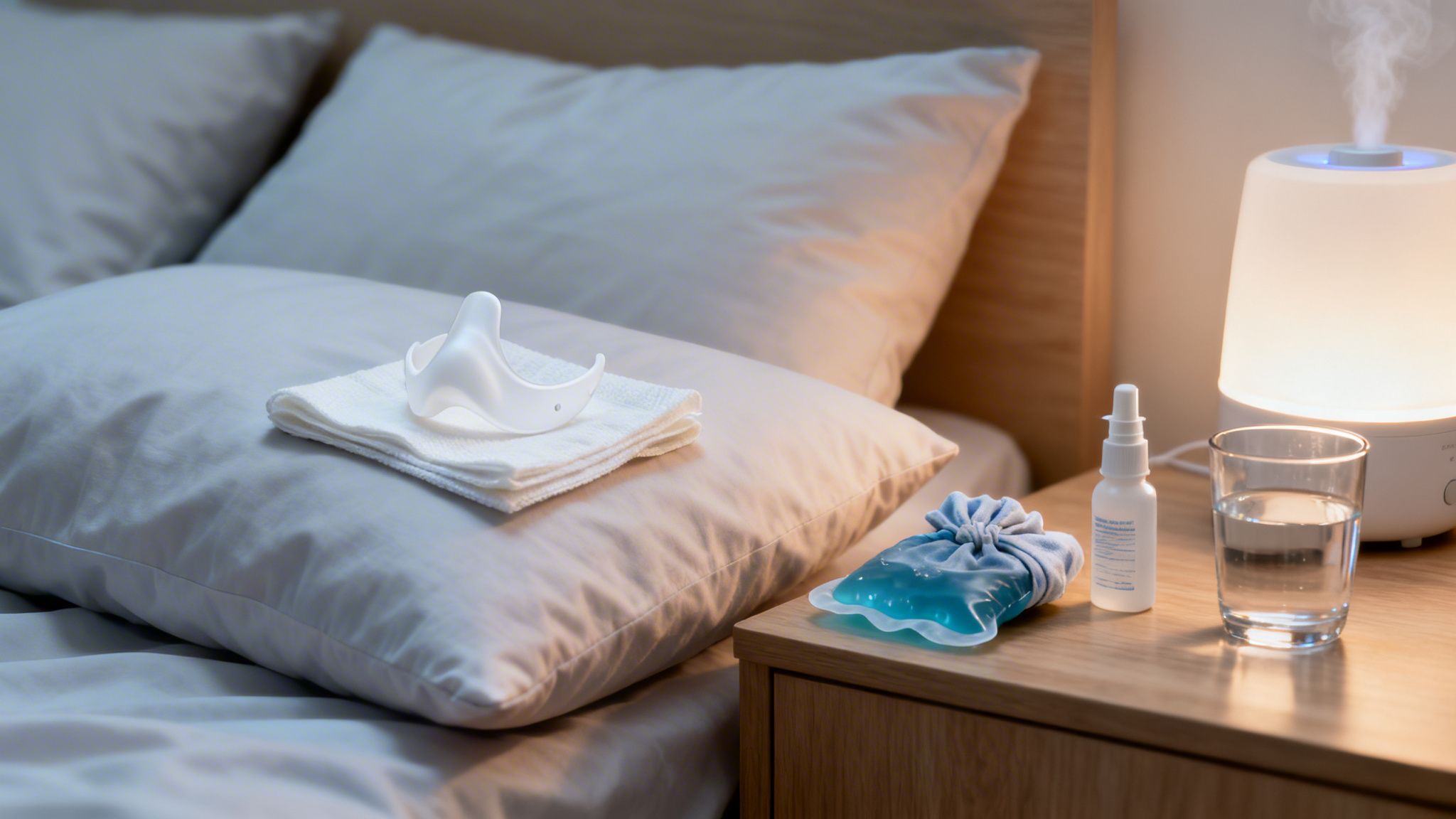
Swelling, Bruising, and Pain
Swelling and bruising are most pronounced during this initial week, typically peaking around day two or three. Bruising often appears under the eyes, giving the appearance of "black eyes," but this is a normal part of the process and will begin to fade toward the end of the week.
Pain is generally most noticeable in the first 48-72 hours and is often described as pressure or a dull ache rather than sharp pain. It's crucial to stay ahead of the discomfort. Taking your prescribed pain medication on a consistent schedule, rather than waiting for pain to become severe, will make your recovery much more comfortable. For a deeper dive into effective strategies, our guide on how to manage pain after surgery offers specific advice from Dr. Bain.
Key Actions for Week 1
Your actions this week directly impact the level of swelling you experience. Follow these instructions carefully:
- Elevate Your Head: Sleep with your head propped up on two to three pillows or in a recliner. Keeping your head elevated above your heart at a 30-45 degree angle uses gravity to help drain fluid from your face and reduce swelling.
- Apply Cold Compresses: For the first 48 hours, apply a cold compress or a small bag of frozen peas to your cheeks and around your eyes for 20 minutes at a time, followed by a 20-minute break. Never apply the compress directly to your nasal splint, as this can affect its position and put undue pressure on the healing tissues. To aid in immediate swelling reduction and comfort during this critical period, understanding the benefits of icing your face and how to apply it safely is key.
- Diet and Hydration: Stick to soft, cool foods like smoothies, yogurt, applesauce, and lukewarm soup. Avoid hot or spicy foods that can increase swelling, and avoid foods that require a lot of chewing. Stay hydrated with water, which helps flush your system and can ease the discomfort of mouth-breathing.
- Activity Restrictions: This is a week of rest. All strenuous activities, including bending over, lifting anything heavier than a gallon of milk, and exercise, are strictly prohibited. These actions can raise your blood pressure and increase the risk of bleeding and swelling.
2. Week 2: Splint Removal and Initial Swelling Reduction
The second week of your rhinoplasty recovery week by week journey brings a significant and exciting milestone: the removal of your external splint. This appointment, typically scheduled with Dr. Bain around day five to seven, offers the first glimpse of your new nasal profile. While the initial reveal can be thrilling, it's important to remember that significant swelling is still present, often accounting for 50-60% of the total swelling you'll experience. Your nose will appear wider and the tip more upturned than its final result.
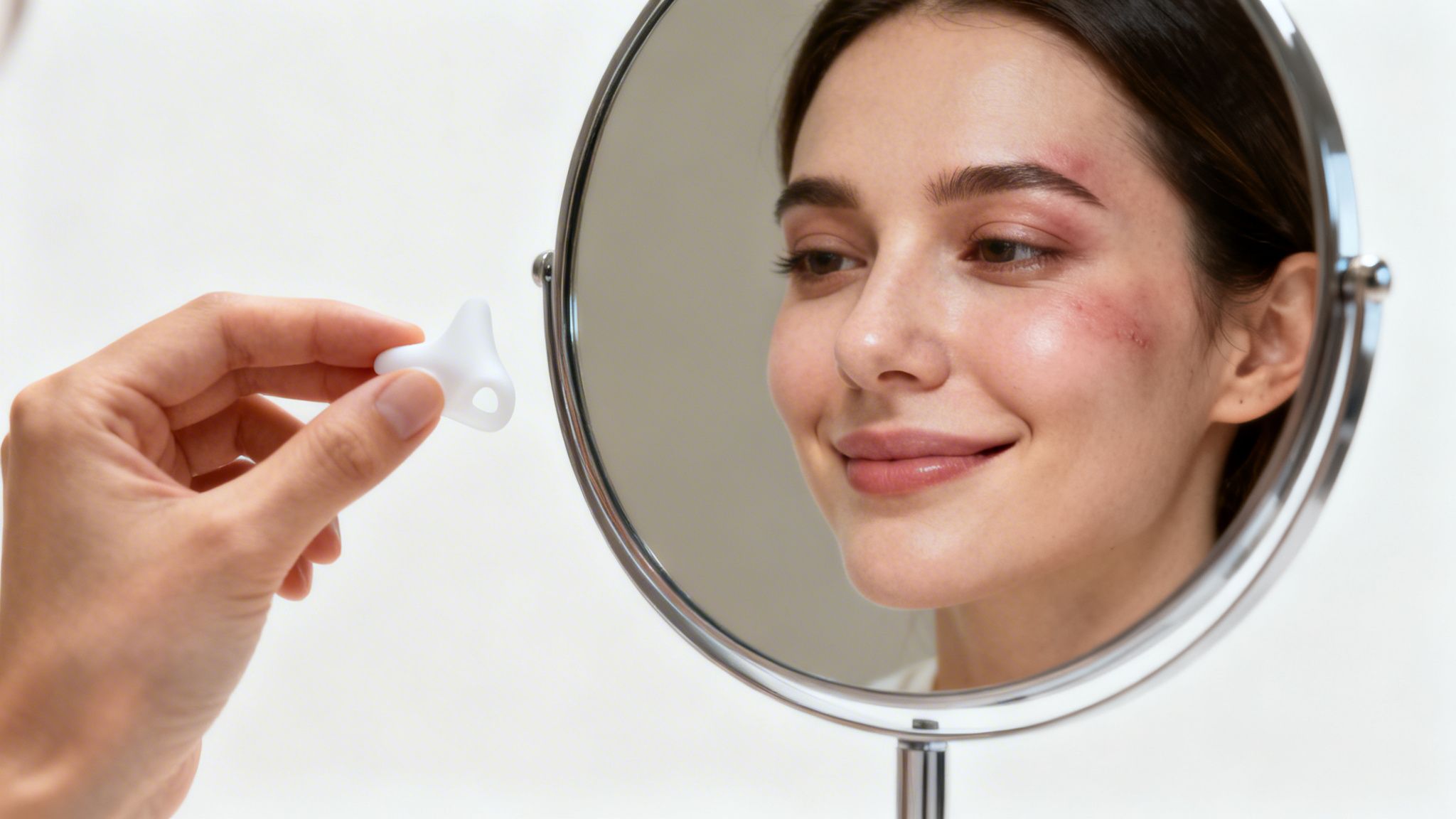
Swelling, Bruising, and Sensation
During week two, the dark bruising under your eyes will have peaked and should now be transitioning to a yellowish-green hue as it begins to fade significantly. Swelling remains the dominant feature, but you'll notice gradual daily improvements. The focus now shifts from acute swelling management with cold compresses to promoting circulation and resolving residual fluid. Your nose might feel stiff and numb, particularly at the tip, which is a normal part of the nerve regeneration process.
Pain has typically subsided to a point where prescription pain medication is no longer needed. Any discomfort can usually be managed with over-the-counter options like Tylenol, but always confirm with Dr. Bain's office before taking any new medication. Your primary sensation will likely be one of stuffiness and pressure.
Key Actions for Week 2
With the splint off, your nose is now exposed and vulnerable. Gentle care is paramount to protect the delicate, healing structures underneath.
- Gentle Cleansing: You can now begin to gently clean the area. Use a soft, damp cloth to carefully wipe the skin around your nose, but avoid scrubbing or applying pressure directly to the nose itself. Dr. Bain will provide instructions for nasal hygiene, which usually involves using a saline nasal spray to keep the internal passages moist and clear of crusting.
- Warm Compresses: You may be instructed to switch from cold to warm compresses. Applying a warm (not hot) cloth to the cheeks and around the nose for 15-minute intervals, a few times a day, can help improve blood flow and accelerate the resolution of bruising and swelling.
- Continued Elevation: Continue sleeping with your head elevated on at least two pillows or in a recliner. This simple habit remains one of the most effective ways to minimize morning swelling.
- Activity and Socializing: While you might feel ready to re-engage, you must continue to avoid all strenuous activities, including exercise, heavy lifting, and bending over. Most patients feel comfortable returning to a desk job or school during this week. If you choose to use makeup to conceal any lingering bruising, be sure to use non-irritating products and apply them gently.
3. Week 3-4: Progressive Swelling Resolution and Return to Light Activities
Weeks three and four mark a significant turning point in your rhinoplasty recovery week by week journey. The most intensive phase of healing is over, and you'll begin to see a more recognizable version of your new nose. While internal healing is still very much in progress, the external signs of surgery are rapidly diminishing. Expect approximately 70-80% of the initial, most obvious swelling to subside by the end of this period, allowing the refined contours of your nose to become more apparent.

Swelling, Bruising, and Sensation
By week three, most significant bruising should be gone, though some faint yellowish discoloration may linger. Swelling continues to decrease, but it won't be a linear process. You'll notice fluctuations, with your nose often appearing more swollen in the morning and less so by the evening. The nasal tip is typically the last area to "de-swell," so be patient with this area as it can remain firm and slightly bulbous for a while longer.
You might also experience strange sensations like numbness, tingling, or itching, especially at the tip of the nose. This is normal and indicates that the nerves are regenerating. Pain should be minimal to non-existent at this stage; most patients have long since stopped taking prescription pain medication.
Key Actions for Weeks 3-4
This period is about carefully re-integrating into your daily life while continuing to protect your healing nose. Follow Dr. Bain's guidance to support the final stages of early recovery:
- Return to Work and Social Life: Most patients feel comfortable returning to work and social activities. With any residual bruising easily covered by makeup and the most significant swelling down, you will look and feel more like yourself.
- Introduce Light Exercise: You may resume light cardiovascular activities like walking on a treadmill or using a stationary bike. The goal is to elevate your heart rate gently. Avoid high-impact exercises, heavy lifting, and any activity that could risk contact with your nose.
- Maintain Nasal Hygiene: Continue using saline sprays or rinses as directed. This keeps the internal nasal passages clean, moisturized, and free of crusting, which is crucial for comfortable breathing and proper healing.
- Protect Your Skin: The skin on your nose is very sensitive. Once cleared by Dr. Bain, you can begin applying a broad-spectrum sunscreen (SPF 30+) daily. This is critical to prevent sun damage and discoloration of your healing scar tissue.
- Be Mindful of Pressure: Continue to avoid sleeping on your stomach or side, which can put pressure on your nose and affect swelling. Be cautious in crowds and when playing with children or pets to prevent accidental bumps. Also, avoid swimming pools and saunas, as these environments can introduce bacteria and affect swelling.
4. Week 5-6: Enhanced Definition and Functional Improvements
By the time you enter the second month of your rhinoplasty recovery week by week, the most challenging phase is behind you. Weeks five and six mark a significant turning point where your new nasal contours become much more apparent. The majority of the swelling, roughly 80-90%, has now subsided, revealing the refined structural changes Dr. Bain made during your procedure. This is often the period when patients truly begin to see and appreciate their emerging results.
Functionally, if you had any pre-existing breathing issues addressed, you should notice substantial improvement. The internal swelling that caused congestion has greatly diminished, allowing for easier, clearer nasal breathing. Your nose will also feel less delicate and more like a part of your face again, though the tip may still feel firm and numb to the touch, which is perfectly normal.
Swelling, Bruising, and Sensation
At this stage, any significant bruising should be completely gone. You are now dealing with the final, more stubborn residual swelling, primarily concentrated at the nasal tip. This remaining swelling is what softens and refines over the coming months, but its reduction now allows the bridge and overall shape to look much more defined.
The sensation in your nose will slowly continue to return. While the skin over the bridge and middle of your nose likely feels normal, the tip often remains the last area to regain full sensation. Tenderness should be minimal, and you will feel more confident in your day-to-day activities, no longer constantly worried about accidental bumps.
Key Actions for Week 5-6
Your focus now shifts from intensive recovery to a safe and gradual return to your normal lifestyle. Continuing to protect your nose is crucial as the bones are still finalizing their healing process.
- Resume Moderate Exercise: With Dr. Bain's approval, you can typically reintroduce more strenuous cardiovascular activities. This includes running, using an elliptical machine, and attending aerobics classes. Listen to your body and start slowly.
- Protect Your Nose: Continue to be mindful in situations where your nose could be bumped or hit. Avoid contact sports (basketball, soccer) and activities with a high risk of facial impact. If you swim, you can return to the pool, but avoid diving.
- Wear Glasses Carefully: If you wear glasses, you can usually start wearing them again. To prevent indentations on the healing nasal bones, you might consider taping them to your forehead or using a support device like a "NoseComfort" to lift them off the bridge.
- Protect Your Skin: The skin on your nose is still sensitive and susceptible to sun damage, which can cause permanent discoloration. Apply a broad-spectrum sunscreen with at least SPF 30+ daily, even on cloudy days. You can also resume your regular skincare routines, being gentle around the nasal area.
- Stay Active and Engaged: Returning to your social life and daily routines is important for your psychological well-being. Feeling "back to normal" helps you feel more confident and positive about your recovery journey.
5. Week 7-8: Near-Complete Recovery and Full Activity Return
By the time you reach the two-month mark in your rhinoplasty recovery week by week timeline, you have entered the final phase of initial healing. This period represents a significant milestone where you can truly begin to enjoy the results of your procedure. At this stage, your nose has settled significantly, the structural integrity is secure, and you are clear to re-engage with nearly all aspects of your pre-surgery life. While subtle refinements will continue over the coming months, the overwhelming majority of your active recovery is complete.
Swelling, Bruising, and Pain
At this point, pain should be a distant memory, and any bruising will have long since vanished. The primary focus is now on the last vestiges of swelling. Approximately 95% of the swelling will have resolved, revealing a much clearer picture of your final nasal shape and definition. The remaining 5% is mostly residual swelling, particularly at the nasal tip, which is the last area to fully settle. This final bit of swelling is often so subtle that it is only noticeable to you and Dr. Bain, and it will continue to slowly dissipate over the next year.
Key Actions for Week 7-8
Your focus now shifts from intensive care to the full resumption of your life and long-term maintenance. With the nose now fully healed from a structural standpoint, your restrictions are almost entirely lifted.
- Resume All Exercise: You can return to your complete fitness routine. This includes high-impact cardio, strenuous weightlifting, and any other activities you enjoy. The risk of affecting your results through increased blood pressure has passed.
- Return to Contact Sports: With Dr. Bain's clearance, you may resume contact sports like soccer, basketball, or martial arts. However, it is crucial to use appropriate protective gear, such as a face mask designed for sports, to shield your nose from direct impact.
- Normalize Your Routines: You can sleep in any position you find comfortable, including on your stomach. Your full skincare regimen, including exfoliants and other treatments on and around the nose, can be resumed.
- Protect Your Investment: Your nasal skin will be sensitive to UV radiation. To prevent permanent pigmentation changes or discoloration on your incision lines, diligent sun protection is key. Apply a broad-spectrum sunscreen with an SPF of 30 or higher to your nose daily, even on cloudy days.
6. Swelling Management Throughout Recovery: Advanced Techniques and Strategies
While swelling naturally subsides over time, proactive and strategic management is a cornerstone of the rhinoplasty recovery week by week journey. Effectively controlling inflammation not only improves your comfort but can also influence the final aesthetic definition of your nose. This phase isn't just about waiting for swelling to go down; it's about actively participating in your healing by creating an environment that supports rapid fluid reduction and tissue settling.
Temperature Therapy, Diet, and Hydration
The methods for managing swelling evolve as you heal. In the first 48-72 hours, cold compresses applied to the cheeks (never directly on the nose) are essential for constricting blood vessels and minimizing initial fluid buildup. After this period, Dr. Bain often recommends switching to warm compresses. The gentle heat can help improve circulation to the area, which aids in clearing away bruising and residual swelling more efficiently.
Your diet plays a a significant role in fluid retention. Throughout your recovery, it is crucial to avoid salty foods, which can cause your body to hold onto water and worsen facial puffiness. Instead, focus on staying well-hydrated by drinking plenty of water. Beyond immediate post-operative care, sustained swelling management often benefits from understanding techniques for reducing inflammation naturally, as detailed in this physician-led guide to reducing inflammation naturally.
Key Actions for Sustained Swelling Management
Adopting a consistent routine is key to seeing a noticeable decrease in puffiness and beginning to appreciate the new contours of your nose.
- Maintain Elevation: Continue sleeping with your head elevated on a wedge pillow or several pillows for several weeks. This simple habit uses gravity to prevent fluid from pooling in your face overnight.
- Lifestyle Modifications: Avoid hot showers, saunas, and steam rooms, as the heat can cause blood vessels to dilate and increase swelling. Also, steer clear of any strenuous activity or exercise that elevates your blood pressure until cleared by Dr. Bain.
- Nasal Care: Use a humidifier in your bedroom, especially at night, to keep the nasal passages moist and comfortable. Consistent use of nasal saline rinses as directed helps clear internal crusting and reduces inflammation within the nasal lining.
- Follow Medication Schedules: If prescribed, take anti-inflammatory medications exactly on schedule to maintain a consistent level of control over your body's inflammatory response. For a more detailed timeline of what to expect, explore our guide on how long swelling lasts after a nose job.
7. Activity Restrictions and Progressive Return to Exercise
One of the most challenging parts of the rhinoplasty recovery week by week process is knowing when and how to safely resume physical activity. Returning to your normal routine too quickly can increase your risk of bleeding, worsen swelling, and potentially compromise the delicate work Dr. Bain performed. Adhering to a structured, gradual return to exercise is essential for protecting your investment and ensuring an optimal final result. These guidelines are designed to prevent complications while allowing you to get back to your life safely.
Understanding the Risks and Rationale
During the initial weeks, the blood vessels in and around your nose are fragile. Any activity that significantly raises your blood pressure or heart rate can cause these vessels to bleed. This includes strenuous exercise, heavy lifting, and even bending over with your head below your heart. Furthermore, increased blood flow to the face can lead to a dramatic spike in swelling, which prolongs recovery and obscures the healing nasal contours. Following Dr. Bain’s activity restrictions is not just about comfort; it's a critical component of achieving the aesthetic outcome you desire.
Key Actions for A Progressive Return to Activity
Your journey back to full activity will be a step-by-step process. Listening to your body is crucial; if an activity causes throbbing, pain, or increased swelling in your nose, it’s a sign to stop and scale back.
- Initial Rest Period (Weeks 1-2): Your only focus is rest. Light walking around your house is encouraged to promote circulation, but all other exercise is off-limits. Avoid bending, lifting anything over 10 pounds, and any exertion that makes you strain.
- Light Cardio (Weeks 3-4): With Dr. Bain's approval, you can typically begin to reintroduce light cardiovascular exercise. This might include walking on a treadmill or using an elliptical at a low intensity. Keep your heart rate down and avoid any high-impact movements. If you work a desk job, you can usually return to work during this period.
- Moderate Exercise (Weeks 4-6): You can gradually increase the intensity and duration of your workouts. Start at about 50% of your usual effort and slowly build back up. You can introduce light weightlifting, but avoid strenuous sets that cause you to strain or hold your breath.
- Full Return to Activity (6+ Weeks): By this point, most patients are cleared to return to their regular workout routines. However, activities with a high risk of facial impact, such as basketball, soccer, or boxing, should be avoided for several more months, or until Dr. Bain gives you specific clearance. Patients with physically demanding jobs may need an extended recovery of 4-6 weeks before returning to full duties.
8. Managing Expectations: Understanding Visible vs. Final Results During 8-Week Recovery
A critical, yet often overlooked, part of your rhinoplasty recovery week by week is managing your own expectations. It is absolutely essential to understand that the nose you see in the mirror at week one, week four, and even week eight is not your final result. Healing is a progressive journey, and the tissues of your nose will continue to remodel, settle, and refine for up to 18-24 months after your procedure with Dr. Bain. Many patients feel discouraged in the early weeks when swelling can temporarily obscure the improvements or even make the nose appear wider than before surgery.
The psychological aspect of recovery is just as important as the physical one. The initial post-operative phase can be challenging, but understanding the natural timeline of healing is key to maintaining a positive outlook. The majority of noticeable swelling subsides in the first 2-3 months, but subtle, residual swelling, especially at the nasal tip, can persist for a year or longer. This is the difference between a "socially acceptable" result (where you feel comfortable going out) and the final, refined outcome. For a more detailed timeline of what to anticipate, our guide on what to expect after rhinoplasty can provide additional reassurance and clarity.
Keeping Perspective During Early Recovery
Patience is your most valuable asset during this period. Your nose is undergoing a significant transformation, and seeing the day-to-day progress can be difficult.
- Document Your Journey: Take weekly progress photos from the same angles and in the same lighting. When you feel discouraged, compare your current photo to your week one photo, not to your ideal goal. This will highlight the real progress you've made.
- Focus on Milestones: Instead of fixating on the final look, focus on functional improvements, like better breathing, and short-term milestones, such as the day your splint comes off or the bruising completely fades.
- Avoid Unhelpful Comparisons: Steer clear of comparing your healing nose to celebrity photos or pictures on social media forums. Every patient's anatomy and healing process are unique. Trust the plan Dr. Bain created specifically for you.
- Communicate with Your Surgeon: If you have concerns about your progress, always bring them to Dr. Bain during your follow-up appointments. Self-diagnosing based on online information can lead to unnecessary anxiety. We are your partners in this journey.
- Trust the Process: Remind yourself daily that swelling is temporary. Your nose is actively healing and changing for the better, even when the shifts are too subtle for the naked eye to see from one day to the next.
8-Week Rhinoplasty Recovery Comparison
| Item | 🔄 Implementation Complexity | ⚡ Resource Requirements | 📊 Expected Outcomes | 💡 Ideal Use Cases | ⭐ Key Advantages |
|---|---|---|---|---|---|
| Week 1: Immediate Post-Operative Care and Swelling Management | High — strict protocols, close monitoring and splint/packing care | Moderate — nasal splint/packing, prescribed meds, cold packs, humidifier, 24/7 contact available | Peak swelling/bruising; hemostasis and initial tissue protection; pain controlled | Immediate post-op period to protect structure and prevent complications | ⭐ Protects nasal framework and controls bleeding; reduces early complications |
| Week 2: Splint Removal and Initial Swelling Reduction | Medium — controlled splint removal and gentle tissue care | Low–Moderate — clinic visit for splint removal, saline rinses, warm compresses | Emerging nasal shape; breathing improves; swelling begins downward trend | Early follow-up to assess healing and reassure patient | ⭐ Boosts morale by revealing early results; improves comfort and breathing |
| Week 3–4: Progressive Swelling Resolution and Return to Light Activities | Medium — staged activity increases and ongoing wound care | Low — follow-up visits, saline care, light hygiene supplies | ~70–80% visible swelling resolved; return to work; better nasal function | Return to work/social life; begin light exercise and public activities | ⭐ Visible aesthetic improvement; increased confidence and functionality |
| Week 5–6: Enhanced Definition and Functional Improvements | Low — broader activity clearance with surgeon approval | Low — progress photos, exercise guidance, sunscreen and minor supports | ~80–90% swelling resolved; clear definition; significant breathing improvement | Resuming most normal activities and moderate exercise | ⭐ Near-final aesthetics and major functional gains; high patient satisfaction |
| Week 7–8: Near-Complete Recovery and Full Activity Return | Low — final short-term assessments and maintenance advice | Low — follow-up visit, protective gear recommendation for sports | ≈95% swelling resolved; stable results; full activity clearance for most | Full return to normal and high-impact activities (with protection) | ⭐ Stable, nearly final results and restored nasal function |
| Swelling Management Throughout Recovery: Advanced Techniques | Medium–High — consistent multi-modal regimen requiring compliance | Moderate — cold/heat packs, tape/compression, meds, hydration, humidifier | Accelerated swelling resolution; improved comfort and aesthetic outcome | Applies across all recovery weeks to optimize healing and outcomes | ⭐ Cost-effective, evidence-based approaches that improve final results |
| Activity Restrictions and Progressive Return to Exercise | Medium — staged, individualized plan and monitoring | Low–Moderate — written guidelines, alternative activities, clinician oversight | Reduced complication risk; safe, progressive fitness return | Active patients and athletes needing structured return-to-exercise plan | ⭐ Prevents premature activity-related complications and supports rehab |
| Managing Expectations: Understanding Visible vs. Final Results | Low–Medium — education and repeated reinforcement | Low — counseling, educational materials, progress photos | Improved patient satisfaction; fewer revision requests; better compliance | Pre-op and early post-op education to reduce anxiety and unrealistic expectations | ⭐ Aligns expectations with timeline; improves psychological recovery and satisfaction |
Embracing Your Final Result with Confidence and Care
The journey through your rhinoplasty recovery, week by week, is a structured process of healing, patience, and gradual revelation. As we've detailed, the initial two months mark the most significant period of change, from the immediate post-operative phase of swelling and splinting to the exciting moment you begin to see refined definition. Understanding this timeline is the first step toward a smooth and successful recovery, allowing you to manage expectations and actively participate in your healing.
The most critical takeaways from this guide are not just about what to do, but how and why. Diligent adherence to post-operative instructions, particularly regarding activity restrictions and nasal care, is not just a suggestion; it is the foundation upon which your final result is built. Each step, from keeping your head elevated to reintroducing exercise at the right moment, directly influences swelling and protects the delicate structures of your newly shaped nose.
Key Pillars for a Successful Rhinoplasty Recovery
To distill the extensive information into actionable principles, focus on these core concepts as you move beyond the initial 8-week period:
- Patience is Your Greatest Ally: The nose you see at your splint removal in Week 2 is not the nose you will have at Week 8, and the nose at Week 8 is not the one you will have in a year. Swelling, especially at the nasal tip, can persist for many months. Accepting this timeline prevents unnecessary anxiety and allows you to appreciate the subtle, positive changes as they unfold.
- Active Swelling Management is Non-Negotiable: Your commitment to managing inflammation is paramount. This goes beyond the first week. Consistently following a low-sodium diet, avoiding strenuous activity, and protecting your nose from the sun are all crucial actions that continue to impact your results long after the initial bruising has faded.
- Open Communication with Your Surgeon: Your recovery is a partnership between you and your surgical team. Never hesitate to report concerns or ask questions. A seemingly small issue could be a red flag, and early intervention is always best. For patients of Dr. Bain, this open line of communication is a cornerstone of the practice's patient care philosophy, ensuring you feel supported at every stage.
A Note on the Final Result: Remember that complete maturation of the nasal tissues can take 12 to 18 months. While you will be "socially presentable" and back to your normal life much sooner, the ultimate refinement, especially in the tip and skin thickness, is the last piece of the puzzle to fall into place. This final phase of your rhinoplasty recovery week by week evolution requires the most patience but often yields the most rewarding subtleties in your outcome.
Looking Ahead: Life After Rhinoplasty Recovery
As you move past the initial healing stages, your focus will shift from recovery to enjoyment. The functional and aesthetic improvements will become an integrated part of your daily life. The confidence that comes from feeling your appearance is in harmony with your self-image is a profound and lasting benefit of this procedure.
By diligently following the week-by-week guidance, managing your expectations, and staying connected with your surgeon, you are not just healing from a procedure; you are investing in a result that will bring you satisfaction for years to come. You have equipped yourself with the knowledge to navigate this period with confidence, turning a potentially anxious time into a predictable and empowering experience. The care you take now is the best guarantee of a beautiful, natural-looking nose that you can carry with pride for a lifetime.
Ready to take the next step in your rhinoplasty journey with a surgeon renowned for natural-looking results and exceptional patient care in Orange County? Schedule a consultation with Dr. Michael A. Bain. The team at Michael A. Bain, MD provides patients with detailed guidance and support throughout the entire rhinoplasty recovery process, ensuring you are prepared and confident from your first appointment to your final result.